
Amidst the ongoing heatwave in San Francisco and the glaring issue of inadequate cooling in the Downtown Jail, there are pressing questions about Mayor London Breed’s commitment to the well-being of inmates. Additionally, her consistent focus on cutting the budget and staff of the San Francisco Sheriff’s Department raises serious concerns about the impact on jail conditions and the rights of those incarcerated. This article delves deeper into these issues to understand how Mayor Breed’s defunding of the sheriff’s department directly affects the incarcerated people.
Mayor Breed’s Budget Cuts and Inmate Conditions
One cannot ignore the persistent pattern of budget cuts to the San Francisco Sheriff’s Department during Mayor Breed’s tenure. These cuts directly affect the resources available to ensure humane and safe conditions for inmates, particularly during extreme weather conditions like the current heatwave.
Incarcerated Individuals Left Vulnerable
As Mayor Breed continues to trim the budget and staff of the Sheriff’s Department, it is the incarcerated individuals who are left vulnerable to the consequences of these decisions. Inadequate cooling measures in the jail housing units, coupled with reduced staffing levels, create an environment where the well-being of those in custody is at risk.
Deputy Sheriffs: A Beacon of Compassion Amidst Budget Cuts
In the midst of these challenges, Deputy Sheriffs, the dedicated men and women tasked with ensuring the safety and security of inmates, have stepped up to address the immediate needs of those in custody. Reports have surfaced that Deputy Sheriffs have been bringing in multiple fans to help alleviate the oppressive heat inside the jail housing units. This act of compassion and dedication to the well-being of incarcerated individuals is commendable and serves as a stark contrast to the budgetary decisions at play.
A Call for Balance and Prioritizing Inmate Well-Being
While fiscal responsibility is a valid concern, it is crucial to recognize the direct impact of budget cuts on the living conditions and safety of those incarcerated. Mayor Breed’s defunding of the Sheriff’s Department should not come at the expense of the well-being and rights of incarcerated individuals.
In conclusion, the conditions of the San Francisco Downtown Jail during the heatwave highlight critical concerns about Mayor Breed’s approach and the impact of her budgetary decisions on the incarcerated people. It is essential for the community to engage in a thoughtful and informed dialogue on these matters to ensure that the rights and dignity of all individuals, regardless of their circumstances, are respected and protected. Deputy Sheriffs’ acts of kindness underscore the importance of prioritizing the well-being of those in custody, especially in the face of budgetary constraints that directly affect their conditions.
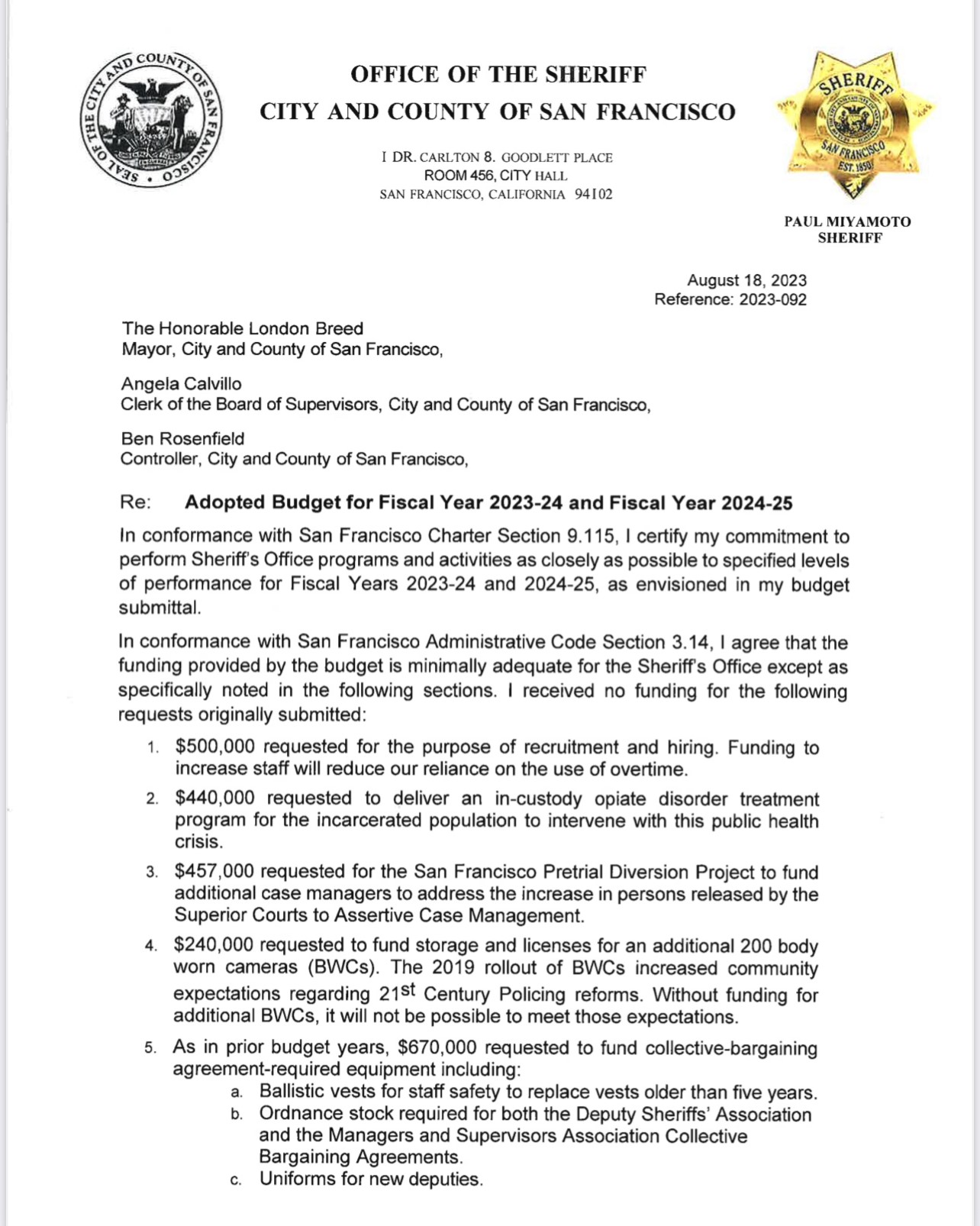
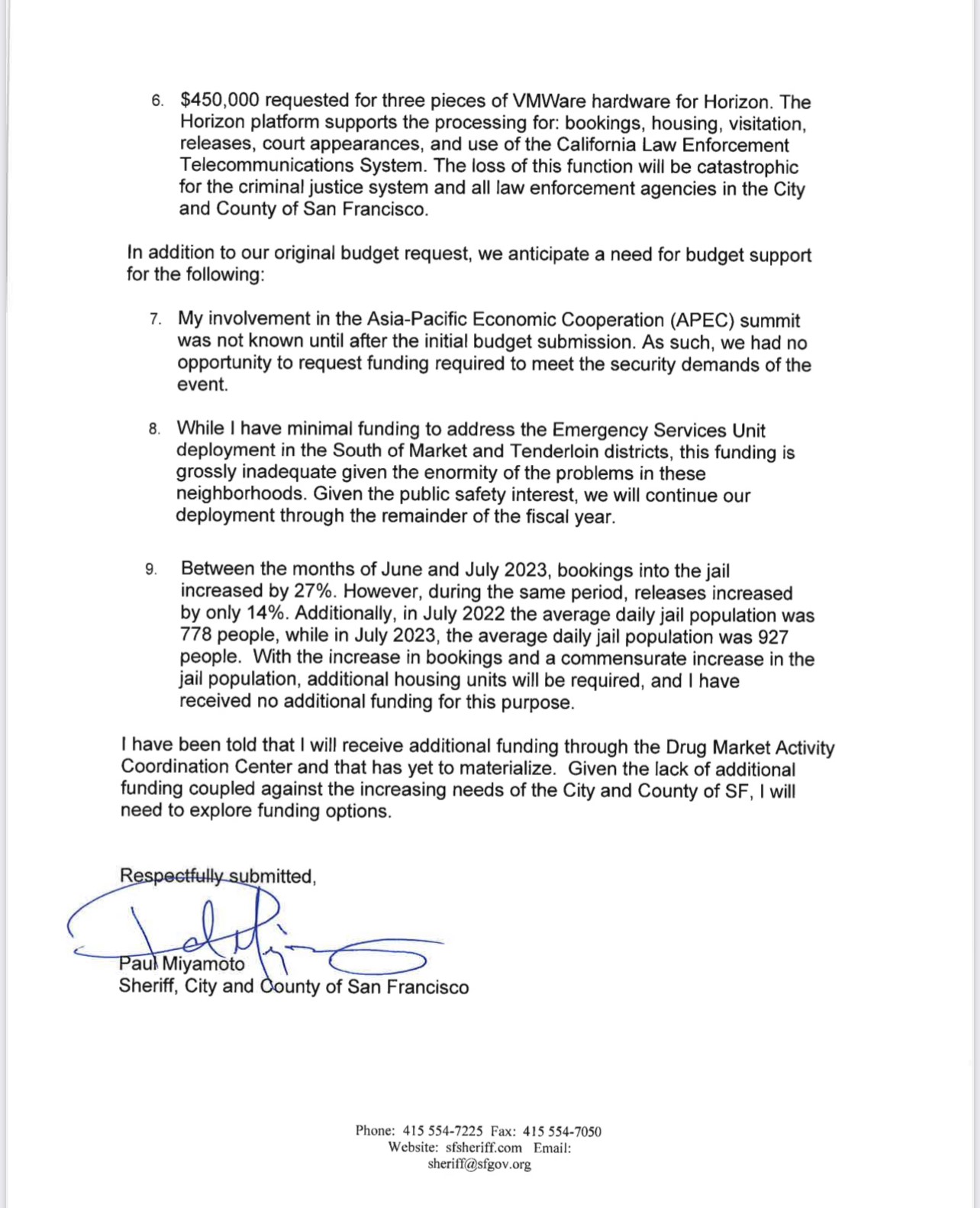

 Mayor London Breed’s strategic defunding of the Sheriff’s Department in San Francisco has ignited concerns among law enforcement officials and citizens alike. Operating under the radar, these silent defunding measures, such as the denial of the longevity incentive proposal on May 15th, 2023, and disproportionate budget cuts, are adversely impacting the department’s staffing levels and compromising public safety. Let’s examine these covert actions and their potential ramifications on the Sheriff’s Department.
 Operant conditioning, a psychological concept that examines how behavior is influenced by consequences, has far-reaching implications in various aspects of our lives. In the realm of criminal justice, the application of operant conditioning principles can have profound effects on the mindset of offenders. This article delves into the concerning issue of San Francisco’s lenient approach to offenders who violate the conditions of their electronic monitoring and the San Francisco Pretrial Diversion Project. By exploring the inadvertent reinforcement of wrong behavior through operant conditioning, we shed light on the significant impact this leniency has on the criminal mindset and its implications for public safety.
 The alarming increase in crime rates throughout San Francisco can be directly attributed to Mayor London Breed’s misguided ideology of manipulating the jail population, resulting in a concerning number of bed vacancies. Recent revelations shed light on the concerning consequences of this flawed approach and the urgent need for change.
 Assembly Bill AB93, introduced by
  San Francisco, with its dynamic atmosphere and diverse attractions, is a city that demands our unwavering attention to personal safety. While it is generally a safe place to live and explore, it is crucial to prioritize safety measures to ensure a secure experience. By adhering to the following essential tips and suggestions, you can bolster your personal safety and protection while navigating the vibrant streets of San Francisco.