A Step Forward: Sheriff Moves to Advance Administrative Code Proposal

We’re pleased to report a positive development in our long-standing effort to update San Francisco’s Administrative Code to include clear recognition of the Sheriff’s Office. After months of internal review, the Sheriff’s Department has now taken a significant step forward.

Sheriff Refers Proposal to City Attorney

SF Sheriff Admin Code

On September 24, Undersheriff Katherine Johnson informed us that the department’s legal team has completed its review of our proposed Administrative Code amendment. The Sheriff has now directed that the matter be sent to the Office of the City Attorney for formal drafting of legislative language.

“Once that is completed, someone will follow up with you.”

– Undersheriff Katherine Johnson

We commend the Sheriff’s Office for advancing this process and look forward to the next stage of collaboration.


What This Means

This action brings us closer to correcting a structural oversight: the absence of the Sheriff’s Office in the Administrative Code. Unlike Police and Fire, the operational responsibilities of San Francisco’s elected law enforcement agency are not formally codified in city law.

Our proposal seeks to fix that by defining the functions the Sheriff’s Office already performs under Penal Code § 830.1(a), the San Francisco Charter, and longstanding public safety practice. These include:

  • Jail operations
  • Law enforcement services
  • Court security
  • Emergency and mutual aid response
  • Civil process enforcement
  • Transportation of persons in custody

By placing these responsibilities in the Administrative Code, we strengthen institutional clarity and ensure legal consistency across the City’s public safety departments.


A Shared Path Forward

This step confirms that the Sheriff’s Office recognizes the value of codifying its role — not only for operational stability but for long-term transparency and accountability. We stand ready to assist the City Attorney as they begin crafting legislative language that reflects both the constitutional authority and the day-to-day realities of the Sheriff’s Office.

We believe this shared path will benefit the people of San Francisco and provide a stronger foundation for the professionals who serve under this Office every day.


Message to Our Members

To the members of the SFDSA: your voice, your work, and your service matter. This action is a direct result of continued advocacy and persistence. We believe this change will support your work and reinforce the legal structure behind your service.

To the public: we are committed to ensuring that our city’s elected law enforcement agency receives the same legal foundation as other departments. This is about fairness, function, and future readiness.


What’s Next

We will continue to monitor the drafting process and provide monthly updates to our members and the public as the City Attorney prepares formal language for introduction to the Board of Supervisors.

Our next public update will be issued in October 2025.


Thank you to Sheriff Miyamoto and his team for this important step forward. We look forward to working together in good faith to complete this process.

For questions or feedback, contact us at president@sanfranciscodsa.com

Why We’re Going Public: The Fight to Define the Sheriff’s Role in San Francisco Law

After over a year of stalled progress and unanswered letters, the San Francisco Deputy Sheriffs’ Association is officially going public with monthly reports on our efforts to correct a long-standing legal omission in San Francisco’s Administrative Code — an omission that affects every resident’s public safety and the future of the Sheriff’s Office.

Admin Code Missing SFSOThe Problem: A Department with No Definition

While the San Francisco Police and Fire Departments are fully defined in both the City Charter and the Administrative Code — with operational duties, funding mechanisms, and emergency roles clearly outlined — the Sheriff’s Office is not. This omission is not only outdated, it’s dangerous. It leaves our city’s elected law enforcement agency out of the very legal framework that governs how city departments operate and cooperate.

This is not about politics or power grabs. It’s about codifying what the Sheriff’s Office already does, aligning it with Penal Code § 830.1(a), the San Francisco Charter, and state law.

What We Did

In collaboration with legal experts and legislative advisors, we proposed new Administrative Code language that would establish a simple section titled:

SEC. 2A.26 – Office of the Sheriff

This section mirrors the structure used for other public safety departments and affirms what the Sheriff’s Office already does every day — operate jails, conduct law enforcement duties, transport prisoners, serve court orders, and respond to emergencies. It brings transparency, consistency, and legal protection to a department that is vital to San Francisco’s safety.

We presented this language to both the Sheriff’s Office and Supervisor Matt Dorsey’s office earlier this summer. Supervisor Dorsey and his staff received it constructively and expressed openness to the effort.

The Silence — and the Delay

Despite our outreach and clear language confirming that the proposal does not restrict or redefine the Sheriff’s constitutional authority, we have received no written response from the Sheriff’s Office since July 7. Verbal confirmation was given that their attorneys are still reviewing it — but no timeline, no counter-proposal, and no forward movement has followed.

That silence is why we’re taking this to the public.

August 15: Public Reporting Begins

As of August 15, 2025, the SFDSA will release monthly public updates on the progress — or lack thereof — regarding this Administrative Code amendment. These updates will document all outreach, responses, delays, and resistance. The public has a right to know why San Francisco’s elected Sheriff remains undefined in city law while other departments are explicitly protected and empowered.

We hope these reports will spur action, not division. We remain fully willing to collaborate with the Sheriff and any City Supervisor ready to help fix this foundational oversight.

Why It Matters

This is about more than legal language. It’s about fairness. It’s about ensuring San Francisco’s Sheriff’s Office — a department that touches thousands of lives daily — is no longer left out of the city’s own governing code.

The status quo leaves room for confusion, manipulation, and political interference. Defining the Sheriff’s Office in the Administrative Code brings clarity, stability, and accountability — not just for the department, but for the residents we serve.


🔔 Next Public Report: September 15, 2025

We encourage all community members, policymakers, and media to follow this process closely. Transparency starts here.

If you’d like to support this effort or have questions, please contact us at 415-696-2428.

San Francisco Deputy Sheriffs’ Association Stands in Full Support of Mayor Lurie’s Emergency Bill to Combat Fentanyl, Homelessness, and Public Safety Challenges

San Francisco, CA — The San Francisco Deputy Sheriffs’ Association (SFDSA) proudly announces its unwavering support for Mayor Daniel Lurie’s ambitious legislative efforts to address the pressing crises of fentanyl addiction, homelessness, mental health, and public safety in our city. The proposed ordinance represents a bold and necessary step forward, allowing San Francisco to respond to these critical issues with unprecedented speed and efficiency.

The legislation, which accelerates contract approvals, enhances public safety recruitment, and permits private donations to support key initiatives, is a decisive move to overhaul outdated bureaucratic processes and meet the urgent needs of our community.

SFDSA Ken Lomba & Mayor Lurie

Ken Lomba, President of the SFDSA, praised Mayor Lurie’s leadership, stating:

“Mayor Lurie’s bold action demonstrates his commitment to putting the safety and well-being of San Franciscans first. This legislation is the swift and decisive response our city needs to address the intersecting crises of public safety, homelessness, and fentanyl addiction. By streamlining processes and empowering leaders to act quickly, we can deliver real results that restore public trust and make San Francisco a safer, healthier place for all. The SFDSA stands fully behind Mayor Lurie and his vision for our city.”

The SF Chronicle recently highlighted the legislation’s key provisions, including:

  • Streamlined Approvals: Department heads can approve contracts, grants, and leases valued between $10 million and $50 million, significantly reducing the typical nine-month timeline for competitive bidding.
  • Public Safety Hiring: Accelerated recruitment and onboarding processes for critical public safety positions, including deputy sheriffs and 911 operators.
  • Private Funding Support: A six-month window allowing the mayor’s office to solicit and accept private donations to address homelessness and behavioral health crises.

The ordinance also requires robust oversight measures, including annual reports to the Board of Supervisors on services delivered, funds raised, and outcomes achieved, ensuring accountability and transparency.

The SFDSA recognizes the gravity of San Francisco’s challenges and applauds Mayor Lurie’s focus on rapid action and results. This legislation offers a path forward to build 1,500 new shelter beds, open 24/7 crisis centers, and address severe public safety staffing shortages.

As an organization dedicated to the safety and security of all San Franciscans, the SFDSA urges the Board of Supervisors to approve this critical legislation without delay. Together, we can take a monumental step toward reclaiming the safety and dignity of our city.

For media inquiries, please contact:
Ken Lomba, President
San Francisco Deputy Sheriffs’ Association
Phone: 415-696-2428

About the SFDSA
The San Francisco Deputy Sheriffs’ Association (SFDSA) represents the dedicated men and women of the San Francisco Sheriff’s Department. Committed to public safety, community engagement, and justice, the SFDSA supports policies and initiatives that improve the well-being of all San Franciscans.

Progress in Reforming the Testing Process and Recruitment Efforts for the San Francisco Sheriff’s Office

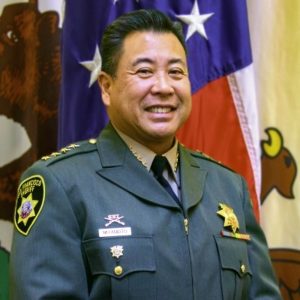
Sheriff Paul MiyamotoToday, September 9th, 2024, marks a pivotal moment for the San Francisco Sheriff’s Office. President Ken Lomba met with Sheriff Miyamoto to address two critical issues impacting our staffing and recruitment efforts: reforming the testing process and implementing second-step pay for new applicants.

After a productive discussion, Sheriff Miyamoto agreed to make these vital changes. The agreement reflects a shared understanding of the pressing need to enhance our recruitment efforts and address the ongoing staffing shortages that have hampered the department’s ability to operate at full capacity.

Why These Changes Matter

For years, the San Francisco Sheriff’s Office has faced significant staffing challenges. Recruiting new deputies has become increasingly difficult due to a competitive job market and a hiring process that hasn’t adapted to these new realities. The proposed changes to the testing process and the introduction of second-step pay for new hires will make the department more attractive to qualified candidates.

Second-step pay, in particular, is a game-changer. It allows new recruits to start at a higher salary tier, making the financial package more competitive and enticing. This is a major step in retaining talent that might otherwise be drawn to other law enforcement agencies offering better starting compensation.

Impact on the Community and the Department

Sheriff Miyamoto’s decision to implement these changes is expected to significantly improve our ability to recruit and retain deputy sheriffs. The impact will extend beyond just filling vacant positions; it will enable the department to restore its full operational capabilities and ensure the safety of both our staff and the community.

With adequate staffing, the San Francisco Sheriff’s Office will be better equipped to manage its duties across various sectors, including jail management, court security, and community policing. Enhanced staffing levels also mean reducing the strain on current deputies, many of whom have been working overtime to cover the shortfall, which has led to fatigue and increased safety risks.

Looking Ahead

We are optimistic about the future. These reforms will not only help us address the immediate staffing shortages but also position the San Francisco Sheriff’s Office for long-term success. A well-staffed department is essential for maintaining the safety and well-being of our city, and these changes represent a significant step toward achieving that goal.

We extend our thanks to Sheriff Miyamoto for his collaboration and leadership on this issue. His recognition of the need for reform will have a lasting positive impact on the department and the broader community we serve.

As we move forward, we will continue to monitor the progress of these reforms and ensure that they are implemented effectively. We are confident that these changes will lead to a stronger, safer, and more efficient San Francisco Sheriff’s Office.

How Mayor London Breed Defunded the Sheriff’s Office

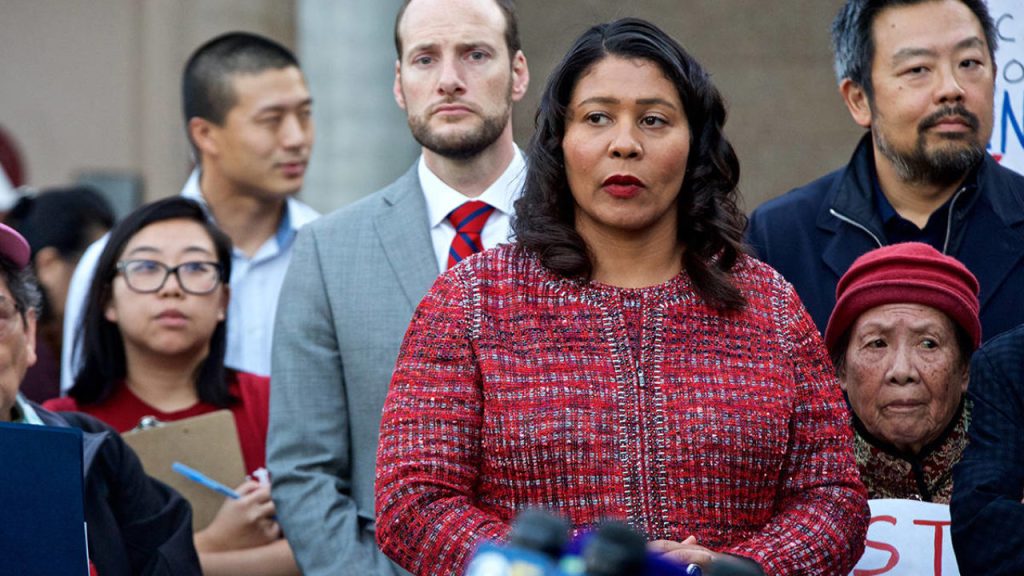
San Francisco’s public safety has been in a precarious position due to Mayor London Breed’s approach to handling the city’s law enforcement agencies, particularly the Sheriff’s Office. Despite growing concerns about understaffing, rising violent incidents in jails, and the critical need for better resource allocation, Mayor Breed’s decisions have led to what many see as a strategic defunding of the Sheriff’s Office. This article delves into the details of how this has unfolded.
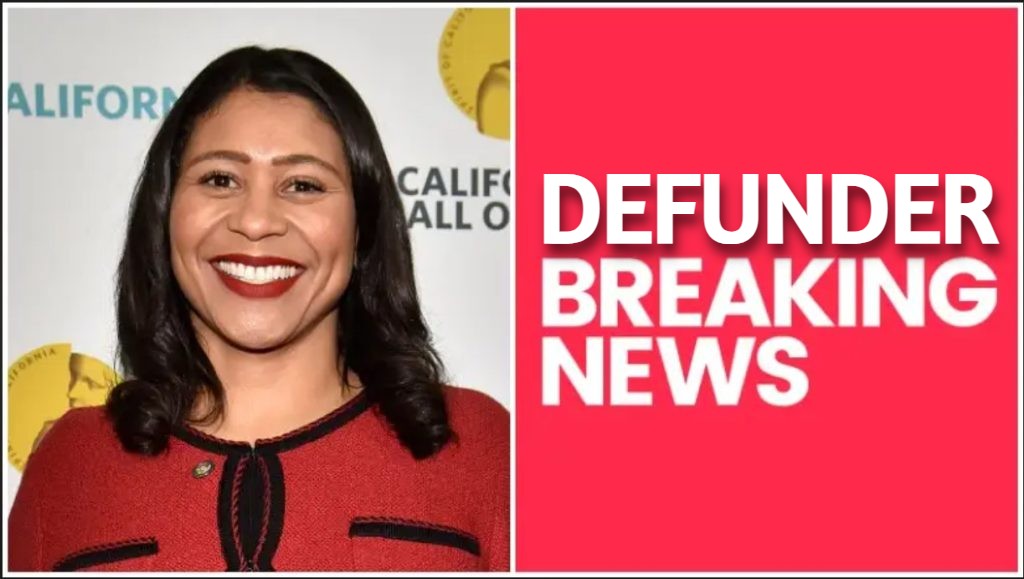
Defunder London Breed

Civilianizing Police Positions

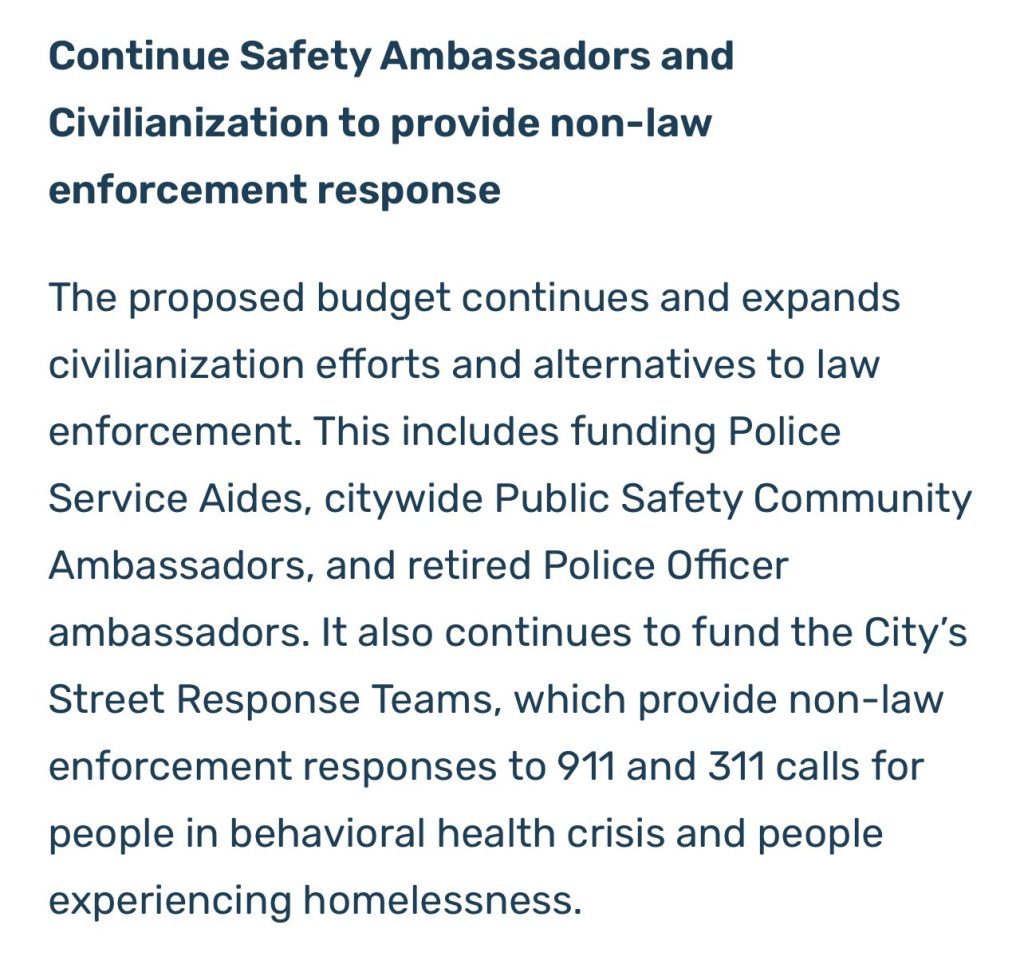
One of the key moves by Mayor Breed has been the civilianization of police and deputy sheriff positions. By replacing sworn officers with civilians in various roles and introducing so-called “ambassadors” without police powers, the Mayor has significantly reduced the number of operational deputies and police officers. While the intention is to increase the presence of mental health professionals and address crime as a mental health issue, this shift has left police officers and deputy sheriffs struggling to cope with the escalating demands of their jobs. This reallocation of responsibilities has effectively reduced the number of police and deputies available to handle the core functions of law enforcement, further straining the already overstressed system.

Denying Critical Funding Requests

The Mayor’s budgetary policies have directly impacted the staffing levels within the Sheriff’s Office. In recent years, the number of deputy sheriffs has been declining, leaving the department dangerously understaffed. The latest figures indicate that there are currently only 611 deputies, a number far below what is needed to ensure public safety and manage the city’s jails, courts, and booking facilities effectively.

A clear example of this is Mayor Breed’s denial of the Sheriff’s request for $500,000 specifically allocated for recruiting new deputies. This refusal to fund essential recruiting efforts has further exacerbated the staffing crisis, leaving the department unable to attract and retain the personnel needed to function effectively. Without adequate funding for recruitment, the Sheriff’s Office cannot compete with other law enforcement agencies offering better hiring incentives and support.

Pausing Hiring and Promotions

In June 2020, Mayor Breed took the drastic step of pausing all police and sheriff’s hires and promotions to conduct an audit of law enforcement exams to root out bias. While addressing bias is important, this move has significantly hampered the already strained Sheriff’s Office. The pause put on hold exams for hundreds of potential jobs and promotions, leaving 636 people eligible to become deputy sheriffs without the opportunity to be hired or promoted​ (SF mayor pauses police,…)​. This strategic pause has created a bottleneck in the hiring pipeline, delaying the entry of new deputies into the force and exacerbating the understaffing issue.

Progressive Justice System and Jail Closures

Mayor Breed’s focus on a progressive justice system has also contributed to the current challenges. She has been a strong proponent of closing jails and opposing the construction of new ones, aiming to reduce incarceration rates. In 2015, she led the effort to reject an $80 million grant from the State Public Works Board to build a new jail, favoring alternatives to incarceration such as mental health treatment and substance abuse programs​ (San Francisco superviso…)​.

As a result, San Francisco’s jails are now overcrowded and often on lockdown due to the high number of inmates, many of whom are violent offenders. The facilities were not designed to handle such a high concentration of violent individuals, leading to increased incidents of violence within the jails and making it even more challenging for the understaffed Sheriff’s Office to maintain order and safety. The progressive justice system has also led to several issues:

  1. Lack of Sunlight: Inmates who do not receive adequate sunlight are at risk for vitamin D deficiency, which can lead to weakened bones, fatigue, and a weakened immune system. Additionally, the lack of natural light exposure can contribute to depression and other mental health issues.
  2. Limited Recreation Space: Physical activity is essential for maintaining physical and mental health. The lack of recreation space in overcrowded jails leads to a sedentary lifestyle, increasing the risk of cardiovascular diseases, obesity, and other health problems. Mentally, the absence of regular exercise can exacerbate stress, anxiety, and depression.
  3. Reduced Rehabilitation Opportunities: The shortage of deputies has resulted in inadequate security for rehabilitation programs, including educational classes, vocational training, and religious meetings. Without sufficient deputies to ensure safety and security during these activities, many rehabilitation programs are curtailed or canceled, depriving inmates of critical opportunities for personal development and reintegration into society.
  4. Crowded and Inadequate Facilities: The remaining jails were not built for maximum security and are ill-equipped to handle the increase in administrative separation inmates and protective custody inmates. This overcrowding and inadequate infrastructure compromise safety and security, both for the inmates and the staff.

Additionally, the overcrowded conditions and lack of deputies have severely hindered the ability to provide necessary supervision during rehabilitation activities such as educational classes, vocational training, and religious meetings. Without adequate security, these programs are often curtailed or canceled, depriving inmates of crucial opportunities for personal development and rehabilitation.

Public Safety Buildings Built Citywide

Despite the critical need for facilities and resources for the Sheriff’s Office, Mayor Breed has prioritized other public safety projects over addressing these needs. Significant investments have been made in building and renovating multiple public safety facilities citywide, including:

  1. A new San Francisco Animal Care and Control headquarters, completed in March 2021 with a budget of $76.4 million​ (San Francisco Animal Ca…)​.
  2. The new Fireboat Station No. 35, completed in February 2022 at a cost of $51 million​ (Fireboat Station No. 35…)​.
  3. The new SFFD Station 49 (Ambulance Deployment Facility), completed in May 2021 with a budget of $50.1 million​ (New SFFD Station 49 (Am…)​.
  4. The Ingleside Police Station Replacement, an ongoing project with a budget of $53 million​ (Ingleside Police Statio…)​.
  5. The 9-1-1 Call Center renovation, an ongoing project with a budget of $9 million ​(9-1-1 Call Center | Pub…)​.
  6. Disaster response facilities, including the renovation of Kezar Pavilion, with a budget of $137 million​ (Disaster Response Facil…)​.

While these projects address various public safety needs, the lack of comparable investments in the Sheriff’s Office highlights a clear disparity in resource allocation. This selective investment strategy suggests a bias and a lack of support for the Sheriff’s Office, further undermining its ability to function effectively.

Lack of Hiring Incentives and Public Support

Mayor Breed’s administration has also failed to implement any hiring incentives to attract new deputy sheriff applicants. Unlike other law enforcement agencies that offer signing bonuses, competitive starting salaries, and comprehensive benefits packages to attract talent, the San Francisco Sheriff’s Office has been left without similar support. This lack of hiring incentives makes it challenging for the Sheriff’s Office to compete in a highly competitive job market.

Despite the pressing need for more deputies, the Mayor’s office has not provided adequate funding for recruiting efforts or offered any substantial incentives for new applicants. The lack of urgency in addressing the hiring crisis is evident, as there have been no public statements or campaigns initiated by the Mayor to attract new recruits to the Sheriff’s Office. This oversight, combined with a misleading presentation of the budget figures—inflated by $13 million from contract negotiations—creates an illusion of increased funding and support that does not translate into tangible improvements for the deputies.

Shift in Policy Due to Public Pressure

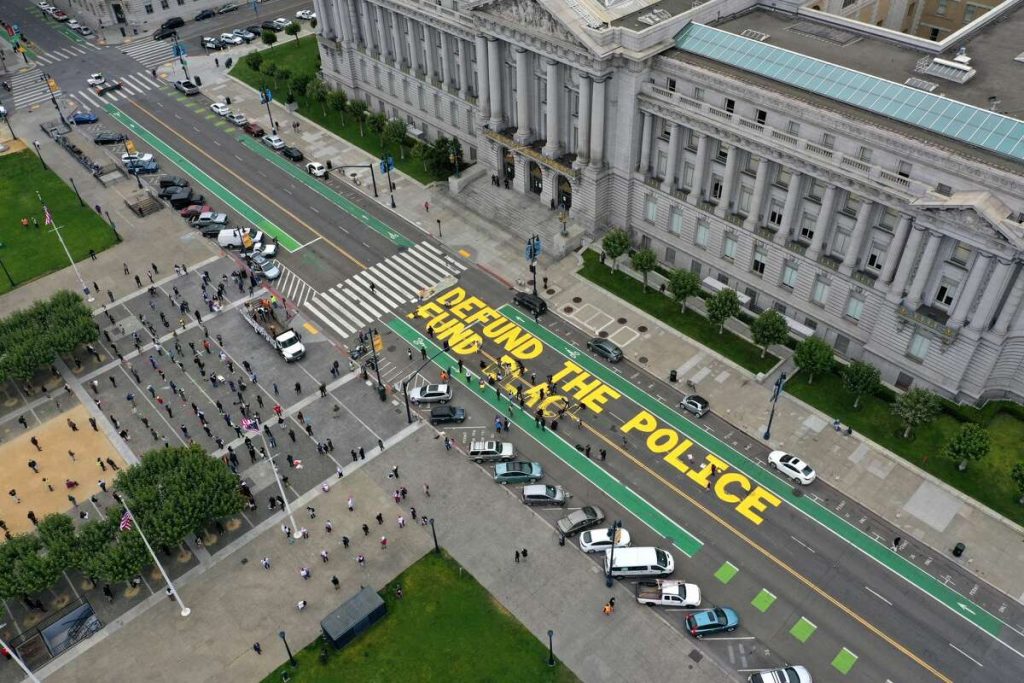
Mayor Breed initially supported the “Defund the Police” movement, cutting $120 million from the budgets of both San Francisco’s police and sheriff’s departments in response to demands from Black Lives Matter protesters​ (Behind London Breed’s ‘…)​. However, as crime rates surged and public dissatisfaction grew, she shifted her stance, requesting more funding for the police to address rising crime, including open-air drug dealing and retail theft. Despite this shift, the Sheriff’s Office continued to face significant budgetary constraints and lack of support.

Public Safety Concerns

Public safety concerns have been on the rise since 2021, with a survey indicating that 70% of San Franciscans feel the quality of life has worsened over the past few years due to increased crime and public safety issues​ (San Franciscans concern…)​. Property crimes and violent crimes have seen significant increases, and the general public’s dissatisfaction has grown, highlighting the need for more robust law enforcement support and resources ​(Here’s what San Francis…)​.

Mayor London Breed’s approach to managing the Sheriff’s Office has led to a significant reduction in its effectiveness and resources. By civilianizing positions, neglecting critical staffing needs, pausing essential hiring and promotions, focusing on a progressive justice system, denying essential funding for recruiting, failing to make public statements to attract new applicants, and not implementing hiring incentives, the Mayor has effectively defunded the Sheriff’s Office. The result is an overstressed, understaffed department struggling to meet the demands of public safety in San Francisco.

It is imperative for the city’s leadership to reassess their priorities and provide the necessary support to ensure the safety and security of both the deputies and the public they serve. Without a strategic and balanced approach to resource allocation and support, the challenges facing the Sheriff’s Office will continue to grow, putting the safety and well-being of San Francisco’s residents at risk.

“Paid for by the San Francisco Deputy Sheriffs’ Association PAC. Not authorized by a candidate or committee controlled by a candidate. Financial disclosures are available at sfethics.org.”

San Francisco Sheriff’s Office Faces Severe Staffing Crisis Due to Protracted Hiring Process and Lack of Support from City Leadership

San Francisco’s Sheriff’s Office is grappling with a severe staffing crisis, exacerbated by an inefficient and prolonged hiring process that takes significantly longer than neighboring departments. Despite a clear need for more deputies to ensure the safety and functionality of the city’s jails, bureaucratic delays, administrative hurdles, and a lack of support from city leadership have hindered recruitment efforts.

Prolonged Hiring Process

The San Francisco Police Department (SFPD) boasts a hiring timeline of 6 to 8 months, a stark contrast to the 9 to 16 months it takes the Sheriff’s Office to hire a deputy sheriff. According to Sheriff Paul Miyamoto, getting applicants through the office’s background check process alone can take between four to five months. When combined with San Francisco’s notoriously slow civil service hiring process, the total time to hire a new deputy often exceeds a year ​(San Francisco Needs 4,0…)​​(Why S.F.’s workforce sh…)​.

This discrepancy raises questions about the efficiency of the Sheriff’s Office’s internal processes. If a comparable agency like the SFPD can complete its hiring in 6 to 8 months, the extended timeline for the Sheriff’s Office suggests that the problem lies within its own department and decisions. This inefficiency hampers the office’s ability to attract and retain qualified candidates, exacerbating the staffing crisis.

Impact on Jail Conditions

The consequences of this staffing shortfall are dire. San Francisco jails are overcrowded and understaffed, leading to increased violence and chaos. Inmates, many of whom are mentally ill or addicted to drugs, are often left without adequate supervision or support. This has resulted in frequent lockdowns and violent confrontations, further straining the already limited resources of the Sheriff’s Office​ (SF jails_ Chaos is the …)​​(San Francisco doesn’t g…)​.

Former Assistant Sheriff Michael Marcum emphasized that jail inmates are part of the community and deserve better treatment. The lack of adequate staffing and resources not only affects the inmates but also the deputies, who are forced to work excessive overtime to cover the staffing gaps. This reliance on overtime is financially unsustainable and leads to burnout among deputies ​(San Francisco doesn’t g…)​.

Inefficiencies and Bureaucratic Hurdles

The current hiring process is riddled with inefficiencies. For instance, background investigators often require three people to verify an address, which is an undue consumption of time and resources. Additionally, there is a limited number of vehicles available for investigators, leading to further delays as they share cars to complete their tasks ​(240716 Letter to Sherif…)​.

The Deputy Sheriffs Association has proposed several solutions to address these issues, including employing outside vendors to assist with background investigations, prioritizing high-quality candidates, and offering higher starting pay to new hires. Despite these suggestions, the bureaucratic delays continue to impede progress ​(240716 Letter to Sherif…)​.

Lack of Support from City Leadership

Mayor London Breed’s administration has been criticized for not providing sufficient support to the Sheriff’s Office. Despite the pressing need for more deputies, the Mayor has not approved any money for recruiting efforts. During contract negotiations, there were no proposals for hiring incentives, and efforts to eliminate the first step in pay to attract more applicants have been delayed ​(Letter to Ardis Graham,…)​​(Mayor London Breed’s Co…)​​(Letter to Mayor, Sherif…)​.

The Mayor’s recent budget proposal, while claiming to invest in public safety, has disproportionately favored the SFPD over the Sheriff’s Office. The proposed budget includes funding for four new police academy classes and significant investments in public safety technology, but fails to address the critical staffing shortages in the Sheriff’s Office adequately ​(Mayor London Breed Prop…)​.  The department that truly got defunded was the Sheriff’s Office and the Sheriff did nothing about it.

defunded sheriff

Additionally, the Sheriff has the authority to hire entry level deputies at a higher pay step with the approval of funds by the controller, but this has not been implemented effectively. The failure to utilize this provision has further hampered recruitment efforts​ (Letter to Ardis Graham,…)​​(Mayor London Breed’s Co…)​.

San Francisco’s Sheriff’s Office is in the midst of a staffing crisis that threatens the safety and well-being of both inmates and deputies. The prolonged and inefficient hiring process, combined with a lack of political will and budget constraints, has exacerbated the situation. Immediate action is needed to streamline the hiring process, implement proposed solutions, and ensure that the Sheriff’s Office can recruit and retain the necessary staff to operate effectively. Without these changes, the cycle of understaffing and over-reliance on overtime will continue to undermine the safety and functionality of San Francisco’s jails. The city’s leadership must prioritize these reforms and provide the necessary support to address this urgent issue.

Mayor London Breed’s Dangerous Move: Civilianizing Law Enforcement and Undermining Public Safety

Mayor London Breed’s recent push to expand the use of civilian ambassadors in place of traditional law enforcement officers has sparked significant concern among public safety advocates. By hiring Transit Ambassadors instead of increasing the number of law enforcement Fare Inspectors, Breed is advancing a strategy that many argue undermines effective law enforcement and jeopardizes public safety in San Francisco.

The Rise of Civilian Ambassadors

The San Francisco Municipal Transportation Agency (SFMTA) recently announced job openings for Transit Ambassadors. These roles are designed to provide customer service and promote safety on public transit, aligning with Mayor Breed’s broader initiative to replace traditional law enforcement officers with civilian roles across various sectors of the city.

Ambassadors vs. Fare Inspectors: A Critical Difference

The new Transit Ambassador positions are fundamentally different from the existing role of Transit Fare Inspectors. Fare Inspectors, who hold limited peace officer powers under California Penal Code 832, have the authority to issue citations to fare evaders—a crucial function given that fare evasion has surged to over 20% of riders. This increase in fare evasion is a serious problem that significantly impacts the SFMTA’s budget, reducing the income necessary for maintaining and improving transit services.

The Dangers of Civilianization

Mayor Breed’s expansion of the civilian ambassador program presents several critical issues:

  • Lack of Enforcement Power: Transit Ambassadors do not have the authority to issue citations or make arrests. Their role is limited to providing information and promoting compliance through education. This lack of enforcement power could undermine efforts to curb fare evasion, which is already a growing problem that threatens the SFMTA’s financial stability.
  • Public Safety Risks: The shift towards civilianization in law enforcement roles raises serious questions about public safety. Fare Inspectors are trained to handle confrontations and enforce laws, whereas Ambassadors are primarily focused on customer service. The presence of Fare Inspectors can deter potential fare evaders and ensure a safer transit environment.
  • Erosion of Law Enforcement Effectiveness: By replacing trained law enforcement officers with civilian roles, the city risks diluting the effectiveness of law enforcement efforts. Fare Inspectors not only enforce fare compliance but also play a crucial role in maintaining order and safety on public transit. Their absence could lead to increased disorder and crime.

The Broader Impact on Law Enforcement

Mayor Breed’s approach to civilianization extends beyond the transit system. This strategy reflects a broader trend in San Francisco’s law enforcement policy, where civilian roles are being prioritized over traditional law enforcement positions. This shift raises concerns about the long-term implications for public safety and the ability of law enforcement agencies to effectively perform their duties.

Tough Talk on Crime, but Do Actions Match?

Mayor Breed frequently talks tough on crime, asserting that criminals will be held accountable. However, her actions paint a different picture:

  • Inaction on Sheriff’s Office Recruitment: Despite the critical need for more deputies, Mayor Breed has not taken significant steps to increase recruitment for the San Francisco Sheriff’s Office. There have been no substantial efforts to enhance the wages and bonuses for sheriff’s deputies, unlike the measures taken for the police department.
  • Civilianization Over Law Enforcement: Instead of bolstering the ranks of trained law enforcement officers, Breed has focused on expanding civilian roles. This approach aligns more closely with the policies of former District Attorneys Chesa Boudin and George Gascon, who advocated for reducing traditional law enforcement in favor of civilian oversight and intervention—a stance often criticized as part of a socialist agenda.

A Call for Pro-Law Enforcement Policies

It is crucial for city leadership to prioritize effective law enforcement and public safety over the expansion of civilian roles. While the role of Transit Ambassadors can enhance customer service and community engagement, it should not come at the expense of enforcing laws and maintaining public safety. Expanding the number of Fare Inspectors, who possess the authority and training to handle fare evasion and other violations, would provide a more balanced and effective approach to managing the city’s transit system and overall public safety.

Mayor London Breed’s push for civilianization through the expansion of the Transit Ambassador program represents a significant shift in San Francisco’s approach to law enforcement. This strategy raises serious concerns about the effectiveness of fare enforcement and the broader implications for public safety. The decision to prioritize Ambassadors over Fare Inspectors could ultimately compromise the safety and security of all residents. It is essential to recognize the value of traditional law enforcement roles in maintaining order and ensuring public safety. Investing in trained law enforcement officers, rather than expanding civilian roles, is crucial for the well-being and security of San Francisco’s communities.

Mayor Breed’s tough talk on crime must be matched by actions that support and enhance law enforcement capabilities. Anything less risks aligning her more with the controversial policies of Chesa Boudin than with a genuine commitment to public safety.

Addressing the Extreme Shortage of Deputy Sheriffs: A Call to Action

In a recent open letter addressed to Mayor London Breed, Sheriff Paul Miyamoto, Board of Supervisors President Aaron Peskin, and the Members of the Board of Supervisors, the San Francisco Deputy Sheriffs’ Association (DSA) has proposed a critical solution to the severe understaffing of Deputy Sheriffs in our city. The proposal, submitted on May 23, 2024, aims to eliminate the first step of the salary schedule for Deputy Sheriffs (positions 8302 and 8504), intending to attract more applicants and, importantly, to secure higher quality candidates.

The Urgent Need for Action
As many of you are aware, our Deputy Sheriffs are operating under dangerously low staffing levels, leading to unsafe conditions for both our Deputies and inmates. Despite the DSA’s proactive efforts to assist with recruitment through advertising funded by our own association, the current pay scale for entry-level Deputies remains a significant barrier. Comparable agencies in the region offer substantially higher starting salaries, making it challenging for us to compete for top-tier talent.

Learning from the Police Department
The San Francisco Police Department has successfully addressed their recruitment challenges by increasing their starting pay, which has proven effective in attracting more applicants. Additionally, the Mayor’s Office supported this effort by implementing a $5,000 signing bonus for new police recruits, distributed as $2,500 upon completion of the Field Training Program (FTO) and an additional $2,500 upon successful completion of the probation period. This incentive underscores the importance of competitive compensation packages in attracting new talent. Currently, we lack such a signing bonus, making it even more critical to remove the first step of our pay scale to attract new applicants.

The Impact on Quality of Life and Safety
The understaffing crisis not only endangers our Deputies but also severely impacts the quality of life for inmates. The shortage of staff has led to more frequent lockdowns, disrupting rehabilitation programs, educational classes, legal interviews, and family and friend visitations. More alarmingly, violence has increased within the jails, exacerbating stress and frustration among inmates. This situation is unacceptable. San Francisco’s jails once served as a model for others, but now they face the same challenges and issues typically associated with prisons.

The Proposal
Our proposal recommends the removal of the first step in the salary schedule. By doing so, we aim to make the Deputy Sheriff position more competitive in the job market, thereby improving our recruitment capabilities and attracting more qualified candidates. This strategy has proven effective for the San Francisco Police Officers’ Association, and we are confident it will yield similar results for our Department.


A Test of Commitment to Public Safety
The implementation of this proposal is more than just an administrative change—it is a test of our city leadership’s commitment to public safety. By offering a more attractive compensation package, we can enhance our ability to recruit and retain the best candidates, ultimately ensuring a safer and more effective environment for both our Deputies and the communities we serve.

The time to act is now. The DSA has laid out a clear, actionable plan to address the extreme shortage of Deputy Sheriffs. We urge city leadership to take immediate action on this proposal to safeguard the well-being of our Deputies and the individuals in our care. The coming weeks will reveal where our leaders truly stand on the issue of public safety.

Will they implement this critical change and demonstrate their commitment to protecting our community, or will they allow the status quo to persist, further endangering the lives of Deputies and inmates alike? The answer will speak volumes.

Stay tuned and stay engaged. The safety of our city depends on it.

Ken Lomba
President, San Francisco Deputy Sheriffs’ Association

Op-Ed by SF Undersheriff Freeman (Ret) on Current Conditions of the Sheriff’s Office

SF Undersheriff FreemanFor thirty years (1991-2021) spanning four different Sheriff’s, I served with pride as a sworn peace officer in the City and County of San Francisco Sheriff’s Department, the last four of which I had the honor to serve as Undersheriff.
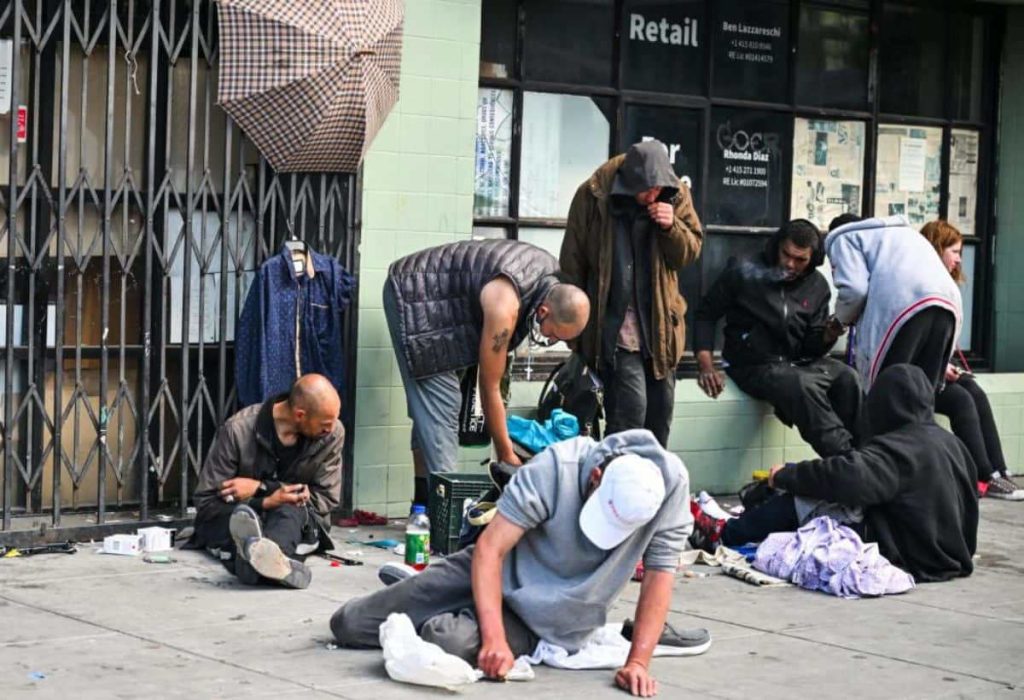

Having held every rank in the department and worked in many different assignments, I came to realize that the Sheriff’s Department is not an inanimate object, rather it is organic. The deputy sheriff is the heart of a living organization.

Since my retirement in February 2021, I have followed the trajectory of the department, its leadership, and the stewardship of the deputy sheriffs.  It is painfully clear that the deputy sheriffs who patrol the toughest beat in San Francisco (the county jail) are under constant attack.

The recent and horrific assaults on deputies by inmates in the county jail some of which have resulted in broken bones, torn skin, and head injuries are a shock to all San Franciscans.

Based on my thirty years of experience, I can tell you that these attacks are 100% avoidable. As a deputy sheriff, I was well-trained, well-equipped, and educated in the proper application of tactical communications.

I knew well the importance of garnering voluntary compliance when supervising an inmate housing area. Core to this was treating inmates with dignity and respect. My job was not to punish, but rather to maintain safety while inmates progressed through the criminal justice system.

Assaults on deputies throughout my career were very rare. In fact, in most cases the only time a deputy sheriff was struck by an inmate was when a deputy was separating inmates that were fighting each other.  There have been more assaults on deputies in the last 60 days than in my entire thirty-year career.  The rash of recent attacks on deputy sheriffs is not normal.

It is the result of incompetent if not indifferent leadership in the Sheriff’s Department. The deputies and their line supervisors are not being trained properly, nor are they being supported by the command staff.

This dynamic leads to deputies that feel as if they are not supported. They become unsure of their training, capabilities, and authority while supervising inmates.  It invites violence as the inmates can sense that the deputies are nervous, leading the inmates to feel as if they are not safe. The inmates lash out as if to fill the void of no control.

It is a recipe for disaster in the county jail.
This dangerous problem is further exacerbated by the lack of recreation space to include outdoor recreation for the inmates. Prior to retiring, I worked closely with the city attorney and a team of Sheriffs personnel to address this very important issue. Unfortunately, Sheriff Miyamoto lacked the courage to stand up to those who objected to the needed capital improvements to the county jail. Outdoor recreation, access to sunshine and clean air significantly reduces violent behavior. Of course, the Sheriff’s Department would require additional deputies to supervise outdoor recreation. The lack of hiring highlights another failure of the current Sheriff administration.

Safe and secure county jail operations rely heavily on the leadership, mentorship, and support of the Custody Operations Division Chief Deputy and the individual Jail Captains. They are failing miserably.
Ultimately the responsibility to keep and maintain a safe and secure county jail for staff and inmates alike falls to Sheriff Miyamoto.  He must be distracted.

The members of the San Francisco Deputy Sheriffs’ Association, the bargaining unit that represents deputy sheriffs deserve if not demand that Sheriff Miyamoto re-focus his attention on the most important asset of the department – Deputy Sheriff.
The department has over 150 deputy vacancies. Deputies are forced to work too much overtime, they are required to supervise too many inmates absent adequate coverage. The training and support by leadership are subpar.

The path to successful public safety in San Francisco traverses both the front and back doors of the county jail. Public safety suffers for all when the deputies are fatigued and not provided with proper support. 

The deputies deserve better, the inmates deserve better and all San Franciscans must demand better of their Sheriff.

Matthew Freeman
Undersheriff (Ret.)
San Francisco Sheriff’s Department

San Francisco’s Betrayal: City Offers $53 Incentive to Keep Deputy Sheriffs

In a shocking turn of events, the City and County of San Francisco has revealed its true colors in the latest contract negotiations with Deputy Sheriffs. Despite years of dedicated service and sacrifice, Deputy Sheriffs are being offered a meager 1% longevity incentive if they continue to work past 20 years.

This offer is not just insulting; it’s a blatant disregard for the safety and security of San Francisco’s residents. While Deputy Sheriffs are offered a mere $53 per paycheck to delay their well-deserved retirement, the City has shown a stark contrast in its treatment of other departments.

In 2023, Dispatchers were given a 5% longevity incentive, totaling over $1.5 million distributed to eligible dispatchers, to retain them from retiring. The police department fared even better, with an additional 13% in longevity incentives, totaling a staggering $65.85 million distributed to eligible officers.

With 160 Deputy Sheriffs eligible to retire this year after dedicating at least 20 years of their lives to serving and protecting the City, the City’s offer is not just a slap in the face; it’s a betrayal of trust. It sends a clear message that the City does not value the contributions and sacrifices of Deputy Sheriffs.

Moreover, the San Francisco Sheriff’s Office (SFSO) is facing a severe staffing shortage, currently short-staffed by -178 deputy sheriffs. This shortage has led to overworking of Deputy Sheriffs with forced overtime, putting additional strain on an already taxed workforce.

Adding to the problem is San Francisco’s notoriously long and slow hiring process. What will San Francisco do when $53 dollars a paycheck does not retain Deputy Sheriffs from retiring? The consequences could be catastrophic. The courts could come to a grinding halt, jails could become out of control, inmates and employees would be at risk, and there would be fewer deputies on the streets for public safety. The entire system could collapse under the weight of these challenges.

It’s time for the City to wake up and recognize the dedication and commitment of Deputy Sheriffs. They deserve a fair and respectful longevity incentive that reflects their years of service and ensures the continued safety of San Francisco. Anything less is a disgraceful betrayal of those who put their lives on the line every day to keep our city safe.